






Nano Alumina Dispersion Liquid for Harder, More Durable Coatings
Nano alumina dispersion liquid for Coating and Paint Additives is a ready-to-use technique for formulators to introduce hard alumina nanoparticles into a coating layer. The particles are suspended in a stable liquid carrier, so they blend more readily with paint than dry powder and produce less dust. When adequately disseminated in an appropriate resin, they may increase scratch, mar, and abrasion resistance while assisting the film to maintain its gloss and clarity. The results rely on particle size, solids content, carrier, surface treatment, and resin chemistry. In this essay, I will describe how to identify, test, and purchase the correct dispersion.
Why Coating Makers Are Choosing Nano Alumina Dispersion Liquid
Why Coating Manufacturers Are Turning to Nano Alumina Dispersion Liquid
Industrial, automotive, metal, wood, and flooring coatings are exposed to scratching, abrasion, chemicals, heat, UV radiation, and regular handling. Buyers are still expected to want the film with its gloss and clarity. The nano alumina dispersion is a stable liquid with alumina nanoparticles; thus, the formulator may immediately put the dispersion into a liquid coating. The relevant size range is that of materials having one or more dimensions of about 1 to 100 nanometers. ISO/TS 80004-2 defines them as nano-objects. The dry powder tends to form stiff agglomerates and produces dust. The pre-dispersed ingredient simplifies dosing and reduces the possibility of clumping. One caveat should be added: outcomes are dependent on particle size, solids content, surface treatment, carrier compatibility, and resin chemistry. Manufacturers, OEMs, distributors, and procurement teams should consider all five before selecting a coating additive.
How Nano Alumina Improves Coating Hardness and Durability
Diamond is 10 on the Mohs hardness scale, whereas alpha alumina, or corundum, is just slightly less hard at 9. This hardness is the reason it is used by formulators as a paint additive to make it scratch-resistant. If particles are uniformly dispersed in a suitable polymer matrix, they may provide reinforcement to the film and increase the resistance to surface damage. Depending on the system, this may enable improved pencil hardness, scratch, mar, scuff, and abrasion performance in automobile clear coatings, wood treatments, industrial flooring, appliances, and metal protection. Nano alumina may also contribute to chemical, solvent, thermal, and UV resistance, although the ultimate outcome depends on the whole formulation. All contribute, from resin choice and curing conditions to film thickness, colours, and other additions. More isn't always better. The loading amount is less important than the control of the dispersion and the testing for particular applications.
Nano Alumina Dispersion Versus Alternative Alumina Forms
Nano alumina dispersion liquid, dry alumina powder, and colloidal alumina are all appropriate for various aims. Liquid dispersion is often simpler to dose, dust less, and mix quicker and wet more evenly in liquid coatings. Powder may still be acceptable for certain high solids or powder coating procedures. Nano alumina dispersion liquid for Coating and Paint Additives is not the same product automatically. Boehmite (AlOOH) is available in several colloidal grades, which are good binders and also provide porosity, whereas alpha-phase alumina is utilised for hardness, e.g. in wear-resistant coatings. Particle structure, carrier, and surface chemistry may vary across products. Water-based and solvent-based dispersions also need independent compatibility testing. In transparent coatings, I am particularly concerned with agglomeration, haze, refractive-index effects, and optical clarity, as tiny clusters may cloud a clean film.
How to Select and Process the Right Dispersion
Key Properties to Evaluate in Nano Alumina Dispersion Liquid
Alumina purity and nominal particle size are not the whole picture. I also recommend customers consider particle-size distribution, solids content, viscosity, carrier system, storage stability, redispersibility, pH, surface chemistry, and resin compatibility. These qualities determine the transparency, gloss, sedimentation, processing efficiency, and uniformity of the coating. Water-based and solvent-based systems may have differing dispersion designs. Surface treatment and polarity may also play various roles on the acrylic, polyurethane and epoxy coatings. Stability is important too. Often colloidal systems are stabilised by charge repulsion. A rule of thumb for optimal stability is to have a zeta potential beyond around ±30 mV. Freezing may cause ordinary atoms to clump together; thus, the storage instructions on the data sheet are worth noting. Before commercial clearance, procurement teams should obtain a current technical data sheet, safety data sheet, and certificate of analysis and ensure batch-to-batch consistency.
How to Choose the Best Dispersion for a Coating Formulation
Best dispersion is about meeting quantifiable coating objectives, not just a single standard or the lowest price. I begin by setting objectives for hardness, abrasion resistance, chemical resistance, gloss, transparency, heat resistance, UV durability, and VOC performance. Then I match the dispersion to the resin, carrier, cure system, and application technique. The laboratory should test particle size, dose, viscosity, pH, and surface treatment before pilot production. A supplier scorecard ensures the comparison is fair. It may include technical transparency, sample assistance, certifications of analysis, customisation, manufacturing ability, export experience, lead time, packaging, and after-sales service. Scoring each supplier on the same points removes the guessing, lets you see how each product fits into your strategy, and gives a clear record for your team to follow.
Formulation and Processing Guide for Nano Alumina Paint Additives
Good outcomes rely on compatibility of formulations and strict management of the process. The usual progression begins with the verification of resin compatibility. Then pre-mix the basic components, slowly add the nano alumina dispersion with controlled agitation, adjust viscosity and pH, then add colour and additives. Mixing speed, addition rate, temperature, shear, foam control, hold duration. Too much shear or incorrect equipment might destabilise the resin or trap air. One practical word of caution is that acidic alumina sols are generally cationic, and combining them with anionic latex or acrylic binders may generate shock gelation. 1. First check the charge compatibility. Compare lab, pilot, and production batches before scale-up. At each step, check filtration, deaeration, storage temperature, packing, and shelf-life performance.
Testing, Applications, and Selection Priorities
Performance Verification for Harder, More Durable Coatings
Claims of toughness and endurance must be supported by test results that simulate actual market and service circumstances. In the area of mechanical performance, the most typical lab tests are pencil hardness (ASTM D3363), Taber abrasion (ASTM D4060), pendulum hardness, scratch resistance, impact, adhesion, and flexibility. Chemical and environmental testing may involve solvent rubs, acid and alkali exposure, water immersion, salt spray (ASTM B117), humidity, UV weathering, and thermal cycling. Haze testing, as per ASTM D1003, gloss, colour change, surface uniformity, and recoat tests are also necessary for clear or high gloss coatings. For a fair comparison, the reports should include resin type, substrate, film thickness, curing conditions, Nano alumina dispersion liquid for Coating and Paint Additives dose, and the standards employed. Without such information, you can't compare two outcomes.
Application Areas for Nano Alumina Dispersion Liquid
Nano alumina dispersion liquid is applicable for any use where the balance of surface durability and beauty is important. Automotive and transportation coatings may require scratch resistance without sacrificing clarity, gloss, or smoothness. Industrial and metal coatings are often designed to withstand wear, chemicals, moisture, heat, and corrosion. That list applies to coatings for tanks, pipelines, and floors in water and wastewater plants where moisture and cleaning chemicals are a common occurrence. Wood, furniture and floor treatments often need mar resistance, high-touch durability, gloss retention, and low-VOC performance. Optical and transparent coatings need extremely low haze and tiny particle dispersion. Compatible selection of carrier, resin, cure technique, and regulatory profile is critical for high-temperature, UV-resistant, and specialty coatings.
Selection Priorities at a Glance
Below is a simple checklist I use to provide to formulators. Real performance targets: hardness, scratch resistance, abrasion resistance, chemical durability, transparency, gloss, UV stability, heat resistance. Then, in controlled trials, test compatibility with the resin, carrier, colours, cure system, and rheology package. Then depend on application-specific testing, not just raw material standards. Finally, evaluate active-solids pricing, process efficiency, supply consistency, documentation, customisation and technical support. These procedures transform a huge list of suppliers into a concise, well-supported list. A skilled supplier can then assist in transferring the product from lab screening to pilot production and continuous commercial supply.
Buying Nano Alumina Dispersion Liquid with Confidence
Procurement Guide: Buying Nano Alumina Dispersion Liquid for Coatings
A precise brief of what you want to buy will assist the supplier in suggesting the proper goods and provide an accurate estimate. Determine application, resin system, waterborne or solventborne need, particle size, solids content, performance targets, yearly volume, packaging, country of destination, and documentation required. Before approving any product, request technical data sheets, safety data sheets, certificates of analysis, storage guidelines, shelf life information, and batch traceability. Samples and pilot batches are important for compatibility and production testing. Calculate cost on an active-solids and coated-area basis and compare quotations. Include packing, freight, taxes, and other landing charges to deliver to the USA. A modest drum price might mask a high cost per coated square foot, which preserves your budget on the whole computation.
Why Technical Support and Steady Manufacturing Matter
Nano alumina is a formulation-sensitive addition, and supplier capacity impacts qualification time, production stability, and project risk. A good manufacturer can assist you with product selection, dose screening, compatibility, processing direction, troubleshooting, and scale-up. Buyers should consider manufacturing capacity, quality-control methods, batch uniformity, technical documentation, and familiarity with international shipping and packing for long-distance delivery. Other useful questions to ask include how the provider evaluates particle size, what storage stability and shelf life are, what dose it advises, and what resins it has tested. Ask whether it offers batch certifications, OEM choices, samples, and explicit lead times as well. In a long-term connection, change-control methods and open communication, forecast preparation, and on-time delivery are also necessary.
What Yiwei Brings to Your Project
Yiwei has its own factory with superior manufacturing equipment, production procedures, and a whole-process quality control system. This system guarantees great quality and consistency from batch to batch, which is critical when your coating line relies on consistent additive performance. We engage with a university team to improve our products and meet market needs as well. We have built up expertise in water-environment chemistry and engineering, and we apply the same emphasis on documentation and technical assistance to nano alumina dispersion liquid for Coating and Paint Additives projects. Let us know your resin, carrier, and performance targets, and we can go through appropriate dispersion, sample plan, and pilot testing processes.
Conclusion
Coating producers may use Nano alumina dispersion liquid for Coating and Paint Additives as a pre-dispersed approach to include extremely hard particles into liquid formulations. This method is simpler to dose and creates less dust than dry powder. Its advantages, such as enhanced scratch, mar, and abrasion resistance, can only be realised if the particle size, solids content, carrier, surface treatment, and resin chemistry are compatible with the coating system. The dispersions, powders, and colloidal alumina have different structures and purposes; thus, each one requires a compatibility assessment. Careful process control, recorded mixing processes, and standardised tests like pencil hardness, Taber abrasion, haze, and salt spray offer proof that a coating is tougher and more durable. The best way to make buying choices is to assess cost per active solid and per coated area, and to have data sheets, batch certifications, and technical help from vendors.
FAQ
1. Does nano alumina dispersion liquid always make a coating harder?
No. It can improve hardness and scratch resistance when it is well dispersed in a compatible resin. The result still depends on dosage, particle size, curing, and the full formulation, so laboratory testing should confirm any gain.
2. Is a liquid dispersion easier to use than alumina powder?
Usually, yes. A pre-dispersed liquid is easier to dose, creates less dust, and lowers the risk of agglomeration. Check carrier and resin compatibility before you start mixing.
3. Can the dispersion work in acrylic, polyurethane, and epoxy coatings?
It can, but each resin responds differently to surface treatment and polarity. Pilot trials in your own system show which combination performs best.
4. Which documents should I request before approving a supplier?
Ask for a technical data sheet, safety data sheet, and certificate of analysis. Also request storage and shelf-life guidance and batch traceability. Then test a sample in your own formulation before you place a bulk order.
Request a Sample of Nano Alumina Dispersion Liquid for Coating and Paint Additives from Yiwei
Yiwei is a Nano alumina dispersion liquid for Coating and Paint Additives manufacturer with its own factory, full-process quality control, and a university cooperation team. Send your resin system, carrier type, and performance targets to sales@ywputai.com, and request a product sample, technical data sheet, or customized quotation. We reply with clear, practical guidance.
References
1. Organic Coatings: Science and Technology, 2007
2. ISO/TS 80004-2, Nanotechnologies: Vocabulary, Part 2: Nano-objects, 2015
3. ASTM D3363, Standard Test Method for Film Hardness by Pencil Test, 2022
4. ASTM D4060, Standard Test Method for Abrasion Resistance of Organic Coatings by the Taber Abraser, 2019
5. ASTM D1003, Standard Test Method for Haze and Luminous Transmittance of Transparent Plastics, 2021
6. ASTM B117, Standard Practice for Operating Salt Spray (Fog) Apparatus, 2019
RECOMMENDATIONS
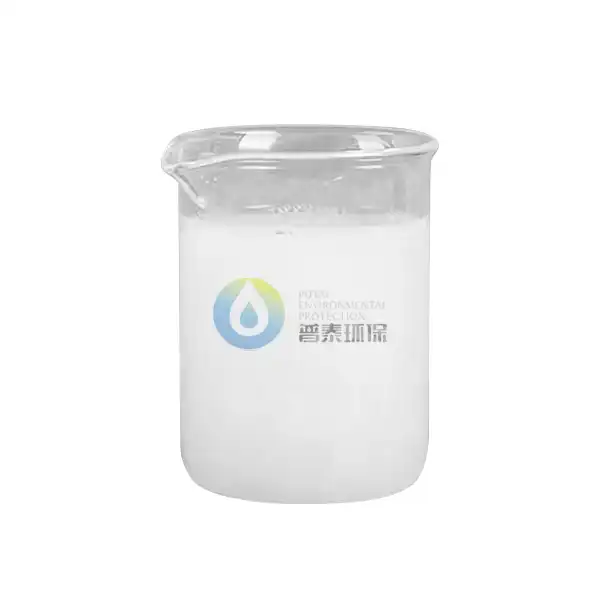 VIEW MORENano alumina dispersion liquid (gamma phase)
(1)_1794191465789.webp) VIEW MORENano alumina dispersion liquid (alpha phase)
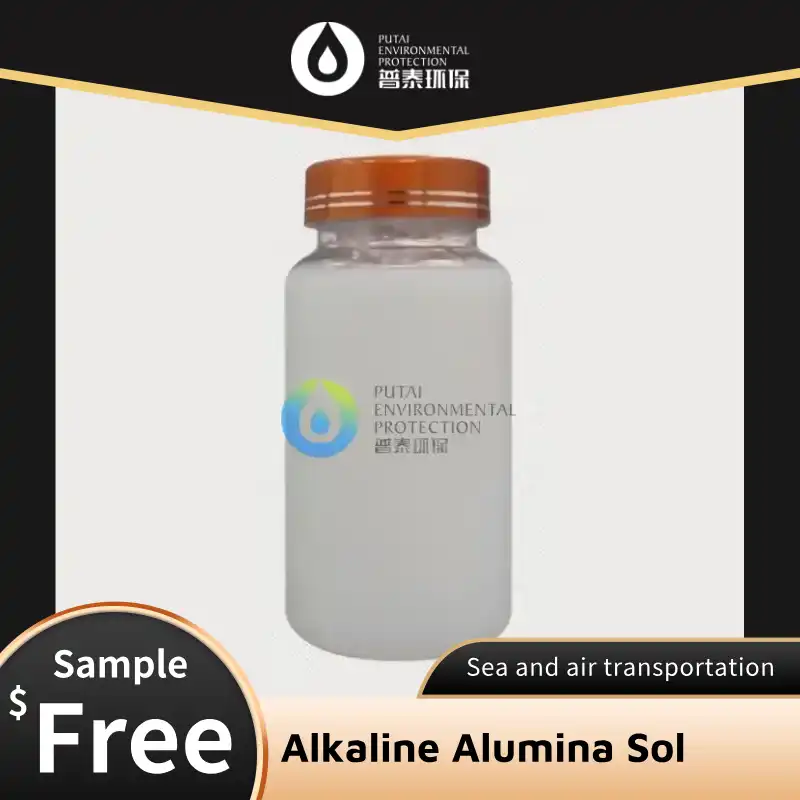 VIEW MOREAlkaline Alumina Sol Used for Coating Material
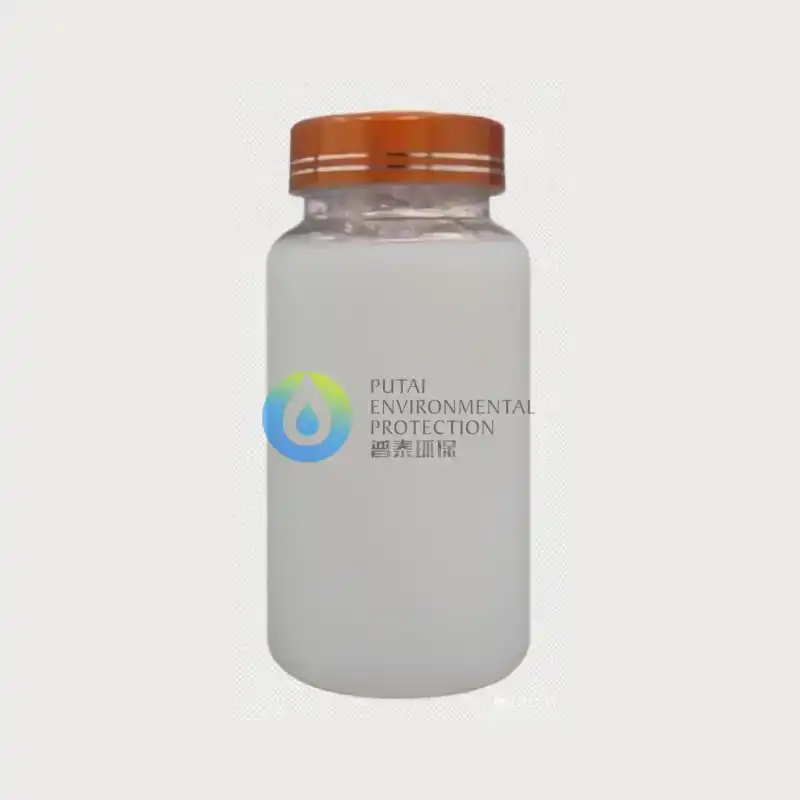 VIEW MOREalumina sol for surface insulating coating
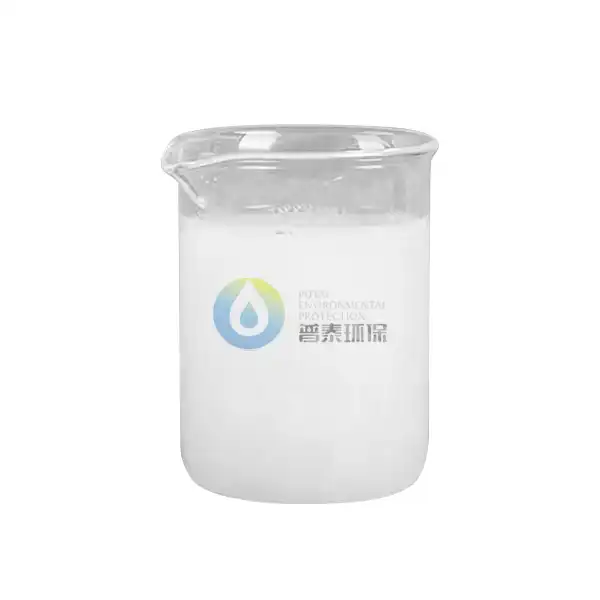 VIEW MOREsubmicron alumina dispersion liquid (alpha phase)
 VIEW MOREAlumina Sol Binder for Refractory Castables
 VIEW MOREalumina sol for FCC catalyst binder
 VIEW MOREAlumina Sol for Fire-Resistant Coatings and Fire Extinguishing Formulations