






How to Choose Colloidal Hydrous Alumina Manufacturers
Before you contact colloidal hydrous alumina manufacturers, make a list of your needs. Once you have a list of probable suppliers, it is important to examine their particle size, purity, stability, quality control, and export history. Focus on the whole delivery cost, not simply the price per product. I suppose you should test samples in your own approach. Also make sure that the manufacturer can always provide you with the same quality batch. It is made up of extremely fine particles of boehmite or pseudoboehmite, typically between 10 and 100 nanometers in size. Even if the modifications are small, you may make major improvements to how it is manufactured. This guide will teach you what questions to ask and follow you through each step before you make an order.
Start with Your Requirements and the Technical Data
Write a Specification Sheet Before You Request Quotes
If you are looking to purchase anything, at least jot down the particulars before you contact anybody. Colloidal and hydrous alumina are utilised in coated inkjet paper, polishing slurries and catalyst carriers. For each usage, you require a separate set of values. Indicate the particle size, solids level, pH range, viscosity and impurity restrictions you need. Check out the items you need, desire, or are willing to alter. Give the size of the package, how to keep it, how long it will last, and where it will go. If there is a clear sheet, they can’t put pricing for goods that have the same name but do different things. And it’s also reasonable to compare pricing and samples.
Review the Properties That Drive Performance
Next, check out the sol's number-based directions. The D50 value is 10-50 nm, the zeta potential is positive >30 mV at pH 4, and the pH is acidic and remains the same between 3.0 and 5.0 for most persons. It is crucial to be clean. In hard grades, if sodium content is less than 0.05%, there will not be much flux effect in refractories, and catalytic carriers will not be blocked. Ask each provider how they arrive at every figure, what temperature they use, and how much the numbers vary from batch to batch. You can't compare figures that aren't put up to be compared.
Test Stability, Storage, and Compatibility
A good data sheet is not enough. Being steady , the sol will operate as designed when it gets there. Colloidal, negatively charged alumina will immediately agglomerate when combined with negatively charged latex or surfactants. Store between 5°C and 35°C to maintain it in excellent condition. Freezing may cause irreversible harm. It ought to last anywhere from six to twelve months." “Ask suppliers how they test for things like being shipped for a long time, being heated, being cooled. If the viscosity increases or the sediment accumulates or the pH approaches the isoelectric point, the meal is rotten. One lab sheet is not enough to go on. You need an analysis certificate for a batch that is supported by a test in your own process.
Judge the Production Process of Colloidal Hydrous Alumina Manufacturers
Ask How the Dispersion Is Made
You can chat to excellent makers of colloidal hydrous alumina about how they do things, without getting into proprietary information. You have to learn how to pick the proper ingredients, how to add water, clean, grind, spread, filter, homogenise, and fill. Watch the temperature, the quantity of stabiliser, the pH, and the speed of the mixing. After this process, the particles either remain separate or clump together into clusters larger than one micron. This might manifest as sedimentation, viscosity drift, or shelves not being stable over time. If the firm does these stages in its own factory, it may swiftly make adjustments to a batch. Ask them to walk you through the procedure in layman’s terms. Then verify the answers you get are consistent with the sample data you obtain.
Check Quality Control and Traceability
It all has to be examined for quality from the top down, till the drum is full. An ICP-MS is used to detect contaminants such as silicon, iron, and sodium. The thickness of the substance is determined with a rotating viscometer. A gravimetric analyser is used to control the quantity of solids after calcination. The particle size is measured by laser diffraction or dynamic light scattering. It is a flux, and if there is too much, it makes refractories operate less well. Iron may, however, alter the clarity of the light. Find out what samples will be retained, batch numbers, how to submit a complaint, and how to cope with modifications. If anything goes wrong, it will be straightforward to find the source of the issue. An ISO 9001 certificate is only good for the product you wish to purchase.
Separate Colloidal Hydrous Alumina from Look-Alike Products
The same things have distinct names in different regions. Depending on the kind of colloidal hydrous alumina — manufacturers, alumina sol, colloidal alumina, or boehmite dispersion — the degree of hydration may vary, and the handling will be different. Wefers and Misra for Alcoa illustrate in a technical article the various structures of aluminium oxides and hydroxides (2). That is why a name does not tell you much. Another thing dry powder doesn’t have is dust, and it has to be blended by a different method. How you heat the gel is critical too. Next: alumina (about 450oC), Boehmite (drying), and alpha alumina (over 1150oC). Do side-by-side testing for names that appear similar but do not go together.
Evaluate the Supplier Behind the Product
Confirm You Are Dealing with a Real Manufacturer
What kind of business is it? What type of firm is that? What has it to do with you? Is it a manufacturer, an integrated production, an authorised distributor, or a trading business? Both can work, but they modify the mix and lead time in various ways. Ask them what they are able to create, what lab equipment they have, how flexible their batch sizes are, and what they have prepared for when they receive test orders or orders that need to be returned. Go to the facility online or in person and see around the laboratories, warehouses, manufacturing lines, and packing departments. Check with the folks who manage the process to see how you might adjust the solids content or pH to suit your needs. It also helps to receive a clearer response to a technical issue more quickly.
Verify Certificates and Export Experience
Do not accept certificates at face value. You should, instead, look at what they cover, how long they are good for, and the firm that issued them. For every shipment to the US, you have to provide an analytical certificate, a technical data sheet, and a safety data sheet. Ask the supplier how they have handled customs, insurance, and shipping damage claims in the past. In Incoterms 2020, the International Chamber of Commerce has a list of risks and who is liable for them. It also tells you who pays for the insurance and freight. Write it down so you make sure you understand the term. A provider that exports a lot should be able to answer these questions swiftly and with evidence.
Score Candidates and Run a Pilot Order
Points are assigned to opinions in a weighted scorecard. Evaluate each contender on: technical compliance, stability, purity, quality systems, capacity, ability to be customised, certifications, record of exports, lead time, pricing, communication, and support after the sale. Then stack the greatest weight on the things that matter the most to you. What is critical is that each sample is tested the same. Check: appearance, pH, viscosity, dispersion of particles (whether the particles settle or remain dispersed), and compatibility with your formulation. Finally, do a tiny test order to check the shipping, documentation, batch consistency, and technical support. Don't let the significant sums pass till the pilot is over. This system is straightforward to use for your finance and quality teams, and it tracks everything in case there is a dispute.
Compare Commercial Terms and Avoid Costly Mistakes
Compare Total Delivered Cost, Not Unit Price
The price per kilo could be quite low, and that might mask what the true expenses are. It comprises the cost of the goods, the packing, shipment (land and sea), insurance, duties, taxes, testing, storage, handling losses, rework, and any delays that may occur in manufacturing. Sol with less alumina is more expensive for water, and it is crucial to know how much solids are in them. When you look at multiple bids, ensure that the conditions of delivery, grade, solids, and purity are all the same. Learn how to pay, what to do in an emergency, how to make a test order, and how to save money by purchasing in bulk. The first price you see may not be the best approach to acquire what your line requires. Maybe you should have safety stock or an agreement to ship.
Read Quotations Line by Line
A professional quotation gives you the grade, the number of solids, the purity, the minimum order quantity, the sample policy, the lead time, the payment conditions, the Incoterms, and the expiry date of the quote. Before you do the comparing, be sure you know what was missing. When creating unique formulations, it is worth bearing in mind MOQ, since it might be more expensive to produce and fill smaller amounts. Ask whether the sample fees may be used towards a future purchase. Also, ask if the supplier would hold a sample from your lot as a “retention sample.” You should also learn how variations in the price of raw materials affect pricing changes. There is a defined regulation for adjustments that may be made without a struggle in the midst of a contract year.
Avoid the Most Common Buying Mistakes
"This individual is always doing three bad things. When shopping, people simply look at the price. For example, they do not consider solids, purity, stability, freight, or losses. They believe that colloidal hydrous alumina manufacturers, boehmite, hydrous alumina, and alumina sol are one and the same. When they arrive there, they discover frozen, gelled, or split drums because they didn’t test for transport or shelf life. Use too much salt or iron, and you might throw away a batch of refractory or optical coating. To be safe involves how to manage changes in agreement. So what if the supplier informs you that the method or raw materials or equipment or plant location or requirements have changed? You may re-qualify the product.
Match the Manufacturer to Your Buyer Profile
Match Priorities to Your Buyer Type
People look at many things when they want to purchase anything. The commercial end user needs regular batches, reliable lead times, compatible processes, and the capacity to prepare for big deliveries. For wholesalers and small shops that actually sell the items, however, the standard grades, shelf life, packaging alternatives, documentation, private-label possibilities, and frequent restocking are more crucial. Whether they wish to acquire OEM or bespoke formulations, they should ask the firm whether they can manufacture new goods, keep information private, safeguard intellectual property, aid with pilot-size projects, and explain how they manage modifications to the formulation. When individuals purchase products for regulated settings, such as laboratories or food processing facilities, they should pay additional attention to how they may be traced, how they can aid with validation, and what the laws are for the ultimate market. Write down your scores when you choose a group.
Use This Final Checklist Before You Decide
Here are the three things I look for before I sign a purchase order.
- Technical Proof: Verify purity, solids content, particle size, pH, viscosity, stability, and shelf life against your specification sheet. Back every number with a batch certificate of analysis and a trial run in your own process so the data represents genuine operating circumstances rather than a pristine lab test on a single sample.
- Manufacturing proof: Traceability, retention samples, laboratory facilities, manufacturing equipment, and custom-formulation assistance. Ask for a factory audit or remote audit and compare what you observe with the process description you were given before. A supplier that keeps its records transparent and answers queries promptly typically has its process under control.
- Commercial proof: The following should all be in writing: MOQ, packaging, lead time, Incoterms, total delivered cost, acceptance criteria, and remedies. What happens if a batch fails inspection? Who pays return freight? How fast does a replacement ship? Also agree on the receiving inspection technique.
These inspections turn sales promises into written evidence. It is less probable that the line would halt due to faulty parts.
Why Buyers Choose Yiwei
We have our own factory in Yiwei. It features the latest tools, the most modern processes and a quality control system that controls the complete process to guarantee that every batch is excellent. We also have a university group that helps us develop our items as the market evolves. Xi'an Yuwei Putai Environmental Protection Co., Ltd. supplies municipal water and treats wastewater from public buildings. People aren't going to purchase from us if they're only going to get one delivery. They need a constant supply to keep expenses down, acquire technical aid for a long period, and stay in line. We want to be one of the colloidal hydrous alumina manufacturers that can provide data and documents to address your technical queries.
Conclusion
Choice of colloidal hydrous alumina manufacturers is best made over time. A good approach to assess whether a sol will work with your process is to look at its stability, pH, particle size, and purity. Real colloidal hydrous alumina is clearly labelled, so you can easily identify it from similar-looking items. It is also created under rigorous guidelines, and it can be traced. Sales claims are checked by looking at items like factory type, certifications, export processes, scorecards, sample tests, and a pilot order. Read quotations carefully, compare the total delivered cost, and include change-control clauses in the agreement. These are the biggest blunders people make when they purchase something. If you are this sort of customer, you will have a supplier whose products always function, who delivers comprehensive papers, and who has stable output over time.
FAQ
1. What should an inquiry include?
Tell us the grade, purity, particle size, pH, solids content, estimated volume, country of destination, how you want it packaged, and documents you need. In exchange, ask for the technical data sheet, the safety data sheet, the analysis certificate, the lead time, and the terms of export. Make sure the supplier has all the information they need to quote the right item the first time. In this case, the sample stage goes faster.
2. Is alumina sol the same as colloidal hydrous alumina?
Not all the time. There are times when the names are the same in different places, but the hydration state, surface chemistry, particle behavior, and medium for dispersion may be different. Make sure you understand the chemical and physical information before you agree to a replacement or buy in bulk over and over. Then, in your own process, compare samples. There are many things that must match, not just the name of the item.
3. How should I store the product?
It's usually between 5°C and 35°C, and it shouldn't freeze because ice crystals can stick particles together permanently. Most things will last for 6 to 12 months. Before you use it, check the pH and viscosity and turn the stock over based on the batch number. This will help you find the first signs of gelation.
Contact Yiwei to Compare Colloidal Hydrous Alumina Manufacturers
Yuwei is all set to look at what you need. We have a modern factory where we make our own goods and check the quality every time. We also work with a college group to make our goods better. Email us at sales@ywputai.com with information about the product you want, such as its grade, particle size, pH, solids range, volume, and where you want it to go. Getting a quote from us is the best way to see how we stack up against other colloidal hydrous alumina manufacturers.
References
1. ASTM International, ASTM E2490 – Standard Guide for Measurement of Particle Size Distribution of Nanomaterials in Suspension by Photon Correlation Spectroscopy, 2009
2. International Organization for Standardization, ISO 9001: Quality Management Systems – Requirements, 2015
3. International Organization for Standardization, ISO 13320: Particle Size Analysis – Laser Diffraction Methods, 2020
4. Wefers, K. and Misra, C., Oxides and Hydroxides of Aluminum, Alcoa Technical Paper No. 19, 1987
5. Hunter, R. J., Zeta Potential in Colloid Science: Principles and Applications, Academic Press, 1981
6. International Chamber of Commerce, Incoterms 2020, 2019
RECOMMENDATIONS
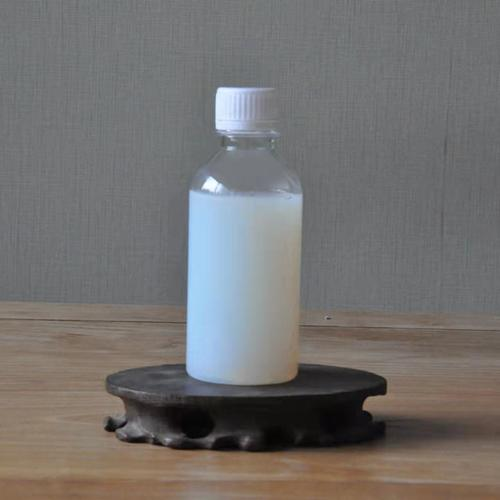 VIEW MOREcolloidal alumina dispersion
 VIEW MOREAlkaline Alumina Sol Used for Coating Material
 VIEW MOREalumina sol for surface insulating coating
 VIEW MOREAlumina Sol Binder for Refractory Castables
 VIEW MOREalumina sol for FCC catalyst binder
 VIEW MOREAlumina Sol for Fire-Resistant Coatings and Fire Extinguishing Formulations
 VIEW MOREsol gel alumina coatings
 VIEW MOREColloidal hydrous alumina