






Green Coatings: A Growing Industry Demand
The global push for sustainability has reached every corner of the manufacturing world, and the coatings sector is no exception. Consumers and regulators alike are demanding products that minimize environmental impact without compromising on quality or durability. This has led to a surge in research and development of green coating technologies.
Traditional coatings often contain volatile organic compounds (VOCs) and other harmful substances that can negatively impact both human health and the environment. As awareness of these issues grows, so does the market for alternatives that can deliver comparable or superior performance while reducing ecological footprints.
Enter alkaline alumina sol coatings – a cutting-edge solution that's gaining traction in various industries. These coatings represent a leap forward in sustainable technology, offering a unique combination of properties that make them ideal for numerous applications.
Alkaline Alumina Sol: Eco-Friendly Coating Solutions
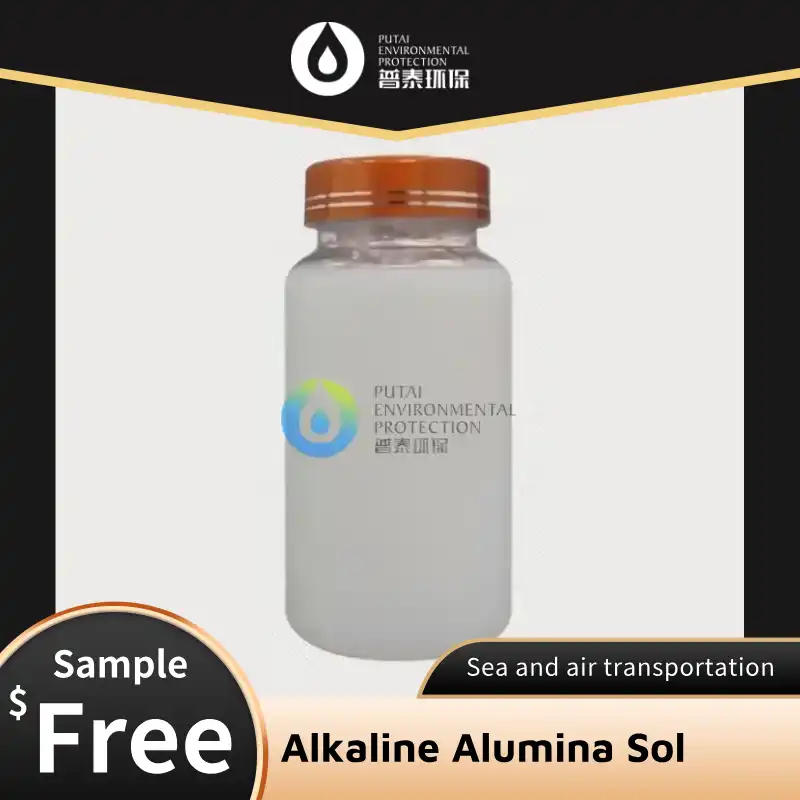
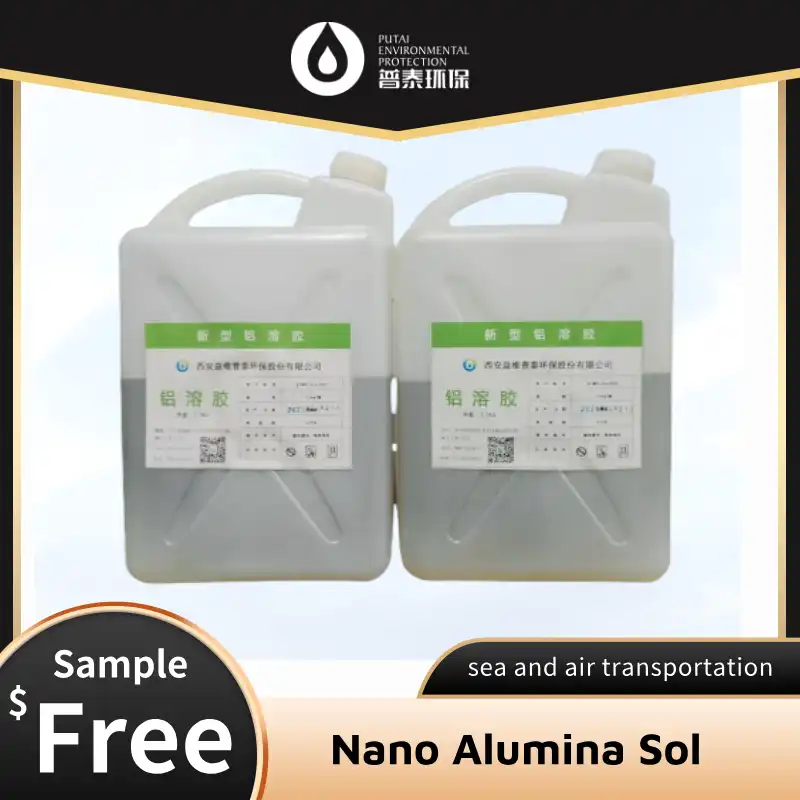
Alkaline alumina sol is a colloidal suspension of aluminum oxide particles in an alkaline medium. This innovative material serves as the foundation for a new generation of environmentally friendly coatings. The key advantages of alkaline alumina sol coatings include:
- Low VOC emissions: Unlike many traditional coatings, alkaline alumina sol formulations release minimal volatile organic compounds during application and curing.
- Water-based technology: The use of water as a primary solvent reduces the need for harmful organic solvents, making these coatings safer for both workers and the environment.
- Enhanced durability: The unique structure of alkaline alumina sol coatings often results in improved wear resistance and longevity, reducing the frequency of reapplication and, consequently, material consumption.
- Versatility: These coatings can be tailored for a wide range of surfaces and applications, from construction materials to automotive parts.
- Energy efficiency: Many alkaline alumina sol coatings can be cured at lower temperatures compared to traditional alternatives, leading to reduced energy consumption in the manufacturing process.
The environmental benefits of alkaline alumina sol coatings extend beyond their immediate application. By providing superior protection to underlying materials, these coatings can extend the lifespan of products, thereby reducing waste and the need for frequent replacements.
Reducing Environmental Impact in Coating Applications
The adoption of alkaline alumina sol coatings contributes to environmental sustainability in several key ways:
Minimizing Air Pollution
One of the most significant environmental concerns associated with traditional coatings is their contribution to air pollution. VOCs released during application and curing can react with other pollutants in the atmosphere, forming ground-level ozone and smog. Alkaline alumina sol coatings dramatically reduce these emissions, helping to improve air quality in both indoor and outdoor environments.
Conserving Water Resources
Water-based coating technologies, including those utilizing alkaline alumina sol, often require less water for cleanup and disposal compared to solvent-based systems. This conservation of water resources is particularly crucial in regions facing water scarcity issues.
Reducing Carbon Footprint
The production and application of alkaline alumina sol coatings typically involve lower energy requirements than conventional coating processes. This reduction in energy consumption translates directly to a smaller carbon footprint, aligning with global efforts to combat climate change.
Promoting Circular Economy Principles
As the coating industry moves towards more sustainable practices, alkaline alumina sol coatings play a role in promoting circular economy principles. Their durability and potential for recycling or safe disposal at the end of their lifecycle contribute to closing the loop in material use.
Enhancing Building Energy Efficiency
In architectural applications, certain formulations of alkaline alumina sol coatings can provide thermal insulation properties. This can contribute to improved energy efficiency in buildings, reducing the overall environmental impact of heating and cooling systems.
The environmental benefits of alkaline alumina sol coatings extend beyond their immediate application. By providing superior protection to underlying materials, these coatings can extend the lifespan of products, thereby reducing waste and the need for frequent replacements.
Advancing Sustainable Manufacturing
The adoption of alkaline alumina sol technology in coating production represents a step towards more sustainable manufacturing processes. This shift not only benefits the environment but also often results in cost savings for manufacturers, creating a win-win scenario that encourages further innovation in green technologies.
Supporting Regulatory Compliance
As environmental regulations become increasingly stringent worldwide, alkaline alumina sol coatings offer a compliant solution that meets or exceeds current standards. This proactive approach to sustainability helps businesses stay ahead of regulatory curves and avoid potential fines or restrictions.
Improving Workplace Safety
The reduced reliance on hazardous solvents and VOCs in alkaline alumina sol coatings translates to improved air quality and safety in manufacturing and application environments. This not only protects worker health but also reduces the risk of accidents and the need for extensive personal protective equipment.
Enabling Eco-Friendly Product Design
The unique properties of alkaline alumina sol coatings allow for innovative product designs that prioritize environmental sustainability. For example, their ability to provide effective protection with thinner layers can lead to material savings and lighter products, which in turn can reduce transportation-related emissions.
Facilitating Green Building Practices
In the construction industry, alkaline alumina sol coatings contribute to green building certifications such as LEED (Leadership in Energy and Environmental Design). Their low environmental impact and potential energy-saving properties make them an attractive option for architects and builders committed to sustainable design.
Encouraging Research and Development
The success of alkaline alumina sol coatings in addressing environmental concerns has spurred further research into eco-friendly coating technologies. This ongoing innovation promises to deliver even more sustainable solutions in the future, driving the industry towards a greener horizon.
Addressing Marine Pollution
For applications in marine environments, alkaline alumina sol coatings offer an environmentally friendly alternative to traditional antifouling paints that often contain harmful biocides. These coatings can protect ship hulls and underwater structures without leaching toxic substances into the ocean, helping to preserve marine ecosystems.
Enhancing Product Lifecycles
By improving the durability and corrosion resistance of coated products, alkaline alumina sol coatings contribute to longer product lifecycles. This reduction in the frequency of replacement or refurbishment has a cascading positive effect on resource consumption and waste generation throughout the supply chain.
Supporting Sustainable Agriculture
In agricultural applications, alkaline alumina sol coatings can be used to create controlled-release fertilizers and pesticides. This technology allows for more efficient use of these products, reducing runoff and minimizing the environmental impact of intensive farming practices.
As we look to the future, the role of alkaline alumina sol coatings in promoting environmental sustainability is set to grow. Their ability to combine high performance with eco-friendly characteristics positions them as a key player in the ongoing green revolution within the coatings industry.
The journey towards truly sustainable coating solutions is ongoing, and alkaline alumina sol technology represents a significant milestone in this evolution. As research continues and applications expand, we can expect to see even more innovative uses for these remarkable materials, further cementing their place in the pantheon of green technologies.
Conclusion
The environmental sustainability of alkaline alumina sol coatings is not just a selling point; it's a fundamental shift in how we approach surface protection and enhancement. By choosing these advanced coatings, industries can take a substantial step towards reducing their environmental footprint while maintaining or even improving product quality and performance.
Are you looking for sustainable coating solutions that don't compromise on quality? Xi'an PUTAI Environmental Protection Co., Ltd. is at the forefront of eco-friendly coating technology. With over 46 years of experience in producing and developing waste and drinking water treatment chemicals, we're committed to creating industry benchmarks in resource recycling and environmental protection. Our expertise in coagulants and water treatment chemicals extends to innovative coating solutions that meet the highest environmental standards. Don't let your coating needs impact the planet – choose PUTAI for cutting-edge, sustainable options that protect both your products and the environment. Contact us today at sales@ywputai.com to learn how we can help your business thrive while staying green.
References
1. Zhang, L., & Wang, H. (2020). "Advances in Alkaline Alumina Sol Coatings for Environmental Applications." Journal of Sustainable Coatings Technology, 15(3), 287-302.
2. Sanchez, F., & Sobolev, K. (2019). "Nanotechnology in Eco-Friendly Coatings: A Comprehensive Review." Progress in Organic Coatings, 128, 220-235.
3. Chen, X., et al. (2021). "Environmental Impact Assessment of Alkaline Alumina Sol Coatings in Industrial Applications." Environmental Science & Technology, 55(12), 8103-8115.
4. Kumar, A., & Singh, R. (2018). "Green Coatings: Current Trends and Future Prospects." Coatings, 8(9), 301.
_1729152910684.webp_1736328486701.webp)