






Alumina Sol Binder – Pure Alumina Refractory Castable Solution
Alumina Sol Binder for Pure Alumina Refractory Castable is a liquid dispersion of nano-sized alumina particles that bonds castable aggregates without adding calcium cement. As water leaves, the particles gel, pack tightly, and later sinter into a ceramic bond. This route keeps the lining close to pure alumina, which helps it resist slag, corrosion, and heat. I wrote this guide for refractory makers, OEMs, distributors, and plant engineers. It explains how the binder works, how to mix and dry it, how it compares with other binders, and how to buy it with confidence.
How Alumina Sol Binder Works in Pure Alumina Castables
Pure alumina castables need a bond that builds strength without adding calcium oxide, silica, or alkalis. This section covers the chemistry, the bonding steps, and the main benefits.
What Alumina Sol Binder Is
Alumina Sol Binder for Pure Alumina Refractory Castable is made up of small pieces of alumina that are spread out in a gel. It looks like the particles are often wet, like boehmite. Electric forces push chunks of matter into the sol. This is also the main reason why most sols are acidic. Alumina Sol Binder for Pure Alumina Refractory Castable is already very clean, so the glue doesn't need as much water as CAC, and it adds a lot less calcium to the mix.
To give a grade, I look at these things again: pH, viscosity, density, colloidal stability, amount of active alumina, particle size, and levels of what's left over. Salt moves things around, so people should pay attention to it. Also, know how to keep something and for how long. There is a need to show that fused, calcined, reactive, and tabular alumina can all work well with each other in the lab. Just thinking about it isn't enough.
How the Bonding Network Forms
After the sol crystals were mixed together, they were spread out to make the grid. The castable is dry when it's done drying. The gel gets denser, and the pieces stick together even more. Around 400 to 600 °C is hot enough to make boehmite lose its chemical water and change into transition aluminas. Things finally stick together when the heat goes up. We call this process "sintering."
It can be changed by the type of powder, the amount of glue, the chemicals, the temperature, and the place where it is made. Keep an eye on the drying process because dense parts can hold water and let steam into them. Even when mixed with the same grade of sol, things that have different surface areas and surfactant systems can behave in different ways. That's why I always say tests in the lab come first.
Key Properties and Technical Benefits
It is best to have little calcium. Anorthite and gehlenite are minerals that melt below 1700 °C. They are formed when CaO, Al2O3, and SiO2 mix. About 2072 °C is the temperature at which pure alumina melts. If you make it the right way, leaving out the calcium source helps it stay strong and not rust.
Nanoparticles may also lower the temperature needed for sintering to begin. You should check the strength of the food one step at a time as it goes through green, dried, intermediate-temperature, and fired stages. A lot of things can change the resistance to thermal shock, like the type of material used, how porous it is, how permeable it is, how stiff it is, how springy it is, and how much it expands when heated. Keep the product above 0 °C instead of freezing it below that temperature. Before you use it in any way, check the batch number.
Formulating, Drying, and Troubleshooting Alumina Sol Castables
You still need to know how to do things right to be a good formulator. The next three parts show you how to mix, heat treat, and fix most issues.
Formulating and Mixing
I don't start with a certain amount. It matters how strong you want it to be, how much liquid you need, how easy the powder is to work with, and how much you use. When you test, you should look at how it flows, sets, how strong it is 'green,' how it dries, how strong it is when it's fired, how porous it is, and how well it resists rust.
Combine the dry things until they are all the same. After that, add the glue slowly while mixing everything together. If you add too much liquid, the material may shrink, get holes in it, and dry out. Make sure it works with the microsilica, fibers, dispersants, water quality, and tools you use to set it up. Bases like magnesium can gel very quickly when the pH changes. This means they need more care. For these recipes, it's very important to use the right detergent and mix the things in the right order.
Curing, Drying, and Firing
Castables made of Alumina Sol Binder for Pure Alumina Refractory Castable don't get wet as cement does. They lose water and turn into a gel, which makes them hard. Still, they need to dry out and cure in a safe way. Figure out how to do the work based on the shape of the installation, the airflow, the temperature, and the humidity. This is what you should do to keep an eye on the temperature of important linings.
If it gets too hot too fast, it can dry out very quickly. The inside might tear if it gets cold quickly. There must always be a plan. If the gel network is there, it might be easier for the air to leave than the cement network. When you work with demolded forms, be careful because hydraulic bonds are stronger than dried gel bonds. Because of dehydroxylation and sintering, they stay together after being shot. The service temperature, holding times, and installation instructions that came with the castable maker should all be compared to the end plan.
Troubleshooting Common Problems
Often, the blend won't work well if there is too much powder, powder that doesn't mix well, or powder with a high binder viscosity. Most of the time, adding too many fluids doesn't make things better. This might be because the cooling wasn't right, the gel took too long to form, the mix wasn't balanced, or the mold was moved before it was fully set up.
When cracks in concrete dry out, you should check how long they are, how much air, water, and heat move through them, and how much they shrink. Chemicals that don't mix well, not enough heat, or not enough time to hold can all lead to weak shot strength or steps that don't go as planned. I check to see if the liquid has frozen, overheated, settled, become contaminated, been damaged, or has been out of date for a long time when it doesn't work right. Since it has been kept for a long time, the binder needs to be requalified before it can be used again.
Comparing Binders and Matching Applications
The cost, ease of use, and length of time of the binding will depend on the type you pick. It talks about what Alumina Sol Binder for Pure Alumina Refractory Castable is and how it stacks up against other popular choices.
Versus Calcium Aluminate Cement
People still like CAC for a reason. It sets when you wet it. It's easier to put down, costs less, and has strong green power. The calcium in it can mix with silica and alumina to make solids that are tough to melt. This isn't good for work that needs to be very clean.
The flow of calcium is slowed down by Alumina Sol Binder for Pure Alumina Refractory Castable. It could, however, require mixing that is cleaner and more precise. When someone wants to buy something, they should check to see if it is pure, has hot strength, or is resistant to slag. Traditional cement systems may still be the best choice when price and speed of setting are the most important factors. Which answer is right? You have a lining. What kind is it? How often do you use it? Who puts it in?
Versus Silica Sol, Phosphate, and Low-Cement Systems
One layer of silica is left in the binder by silica sol. This layer keeps the things together. When getting the cleanest alumina is important, Alumina Sol Binder for Pure Alumina Refractory Castable doesn't help. You need to try each one by itself at high temperatures because they set and behave in different ways. It is easy to use, doesn't cost much, and works well with molds that don't need a lot of cement.
I put things next to each other in the store based on how well they do their job, how fragile they are when they dry, how strong they are when they're hot, how resistant they are to rust, and how well experts back them up. Most of the time, a table with trial facts about those seven factors can help you make a decision faster than any written claim. You should think about how much the whole project will cost, together with any downtime.
Where Alumina Sol Bonded Castables Work
It's used to make parts that don't wear out, burner zones, kiln linings, steel ladles, casting equipment, non-ferrous metal ovens, heat-treatment systems, glass and pottery process equipment, and more. Factory farms make things, mine, and use poisons on many of these fields.
You shouldn't put steel and metal that is melting next to each other. Being careful not to dry out and keeping the right amount of wetness are both important things to keep an eye on. You should look at more than just chutes, cyclones, lifters, and transfer points. You should also look at the binder and how hard, dense, and packed the particles are. I would have to see that for myself in the field first, though. It might also be easier to pump and shotcrete some mixes with the low-viscosity sol.
Choosing and Buying Alumina Sol Binder
First, explain the job. After that, make a list of what you need. Finally, make an effort. This will help you pick the best thing. This is how I teach other people how to do it.
How to Choose the Right Grade
The first thing you should do is talk about how the job exists. There are high and steady temperatures, contact with molten metal or slag, wear and tear, thermal cycling, mechanical load, and instructions for how long the campaign should last. Next, write down what the binder needs, like how much active alumina it needs, how many flaws it can have, its viscosity, density, pH, particle properties, how it sets, how it should be stored, and how long it should last.
Then, make sure everything works by testing how the mixture flows, how strong it is, how it dries, and how well it fires. DLS should be used to check the particle sizes. XRF or ICP should be used to check the chemicals, and the viscosity should also be checked. Check with your suppliers to make sure they meet quality standards, can send, can help you, and will let you make changes. There could be a lot of recipes that a company that makes castables would like. On the other hand, an agency might want to help with private notes and packing more.
Procurement Checklist for RFQs
When the RFQ is clear, no one has to work for weeks on end. Tell us where you want it packed, how much you need, what you want to use it for, the temperature, the level of purity, the binder grade, the sample amount, how much you need a year, and what paperwork you need.
You should ask for a technical data sheet, a safety data sheet, an analysis certificate for each batch, how to store the product, how long it will last, records of how it can be monitored, and any performance data that you care about. How much it costs to send active alumina depends on how pure it is, how much of it there is, how it is packed, how well it is handled by experts, the cost of freight, insurance, taxes, and Incoterms. You should find out how much you can make, how long it takes to deliver, what the export papers are, how to make a quality claim, and whether you can pick OEM or private name. You now know how to read quotes that are mostly the same.
Why Alumina Sol Can Become a Preferred Solution, and What Yiwei Offers
The people who make refractories want their products to be more stable, last longer, and need less upkeep. You can get very pure metal, metal that doesn't rust, and metal that is easy to work with with Alumina Sol Binder for Pure Alumina Refractory Castable. Why is the binder useful? For this reason, the design can be cast in any way, the fit is perfect, and the dry-out has been tried and tested.
Yiwei has its own factory, which is fully stocked with modern tools, cutting-edge methods, and a way to make sure that the highest standards are met at every stage of the production process. That arrangement works for groups that stay put. Our company works with a college group to improve our goods and meet customer wants. Whether you make the resin or sell it in bulk, we can help you plan your long-term supply of Alumina Sol Binder for Pure Alumina Refractory Castable projects. We can also write technical content for you.
Conclusion
Alumina Sol Binder for Pure Alumina Refractory Castable stays together after they gel, dries, loses water, and sinters because of Alumina Sol Binder for Pure Alumina Refractory Castable. Some Ca+ is added, but not as much as cement. You can still change the outcome by how well you work with the mix, how long you let it dry, and whether the design can be cast. Chemistry that is low in calcium helps protect the hot strength and ability to not rust. This method is cleaner than aluminate cement, silica sol, phosphate, and low-cement, but it costs more and is harder to use. Tests should be done in furnaces, ladles, kilns, and wear zones if the gains are big enough. It's easy to pick the right sound when you have information like TDS, SDS, and CoA, as well as clear working conditions and binder specs. The quality of the binder is kept high, and it is re-qualified after being stored for a long time.
FAQ
1. How much alumina sol binder should I use?
The dose is not a set amount. Based on the amount of water needed, the active solids, and the grade of the powder, tests must be done to find the right level.
2. When is alumina sol better than calcium aluminate cement?
Because it has low calcium, good hot strength, and doesn't rust, it is the best choice. Cement techniques are still better when it comes to price and green power.
3. Does the castable need controlled drying?
Yes. It depends on how fast it heats up, how humid it is, and how wide the lining is; how much water comes out. Things could peel or break if you heat them too quickly.
4. How should I store the binder?
Keep it above 0 °C in containers that aren't broken or sealed. How long does the seller say the item should last? Come back soon.
Request Alumina Sol Binder for Pure Alumina Refractory Castable from Yiwei
Need a business that sells Alumina Sol Binder for Pure Alumina Refractory Castable? He needs to know how to make the castable, how clean the alumina is, what temperature it will be used at, how much you need for the test, and how much you need every year. We have our own workshop, make sure the whole process is done right, and work with schools to help you with your trial. Send an email to sales@ywputai.com to get a price, a sample, a batch COA, and a technical data sheet.
References
1. International Materials Reviews, 2001. "Castable Refractory Concretes."
2. Refractories Handbook, 2004. Marcel Dekker.
3. Phase Diagrams for Ceramists, 1964. American Ceramic Society.
4. Colloidal Dispersions, 1989. Cambridge University Press.
5. Principles of Ceramics Processing, 1995. Wiley.
6. Alumina Chemicals: Science and Technology Handbook, 1990. American Ceramic Society.
RECOMMENDATIONS
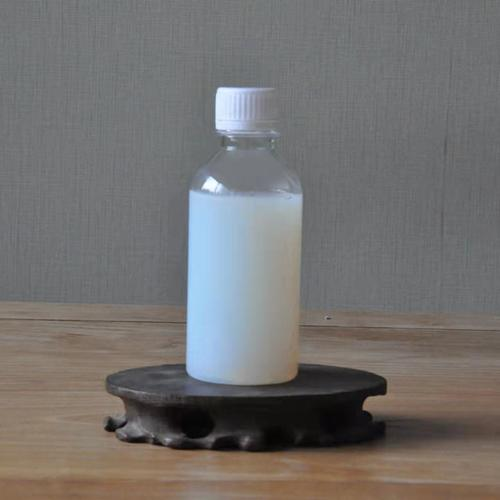 VIEW MOREcolloidal alumina dispersion
 VIEW MOREAlkaline Alumina Sol Used for Coating Material
 VIEW MOREalumina sol for surface insulating coating
 VIEW MOREalumina sol for FCC catalyst binder
 VIEW MOREalumina synthesis sol-gel
 VIEW MOREcolloidal alumina binder
 VIEW MOREcolloidal alumina suspension
 VIEW MORENano aluminum sol catalyst carrier bonder