





Catalysis in Coatings: An Overlooked Potential
When we think of catalysis, our minds often wander to large-scale industrial processes or automotive catalytic converters. However, the potential of catalytic reactions in coatings has been a relatively unexplored territory until recently. Catalytic coatings can offer a myriad of benefits, from self-cleaning properties to air purification capabilities.
The concept of incorporating catalysts into coatings is not entirely new. For years, researchers have been experimenting with various materials to create surfaces that can catalyze specific reactions. However, the challenge has always been to find a support material that can effectively disperse and stabilize the catalytic particles while maintaining the integrity and functionality of the coating.
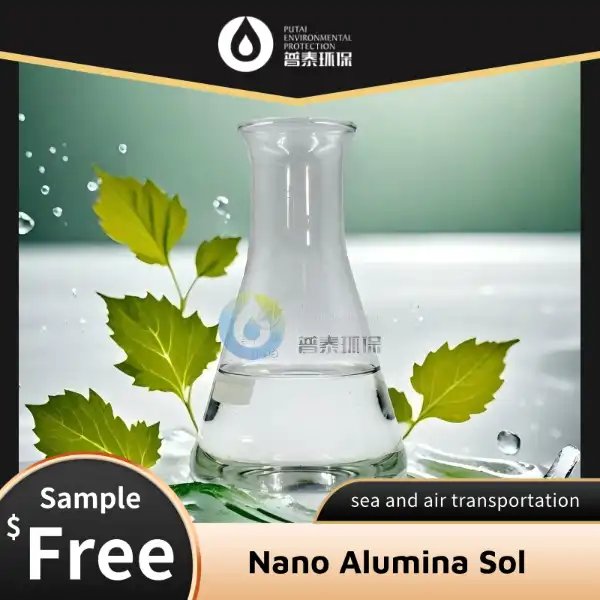
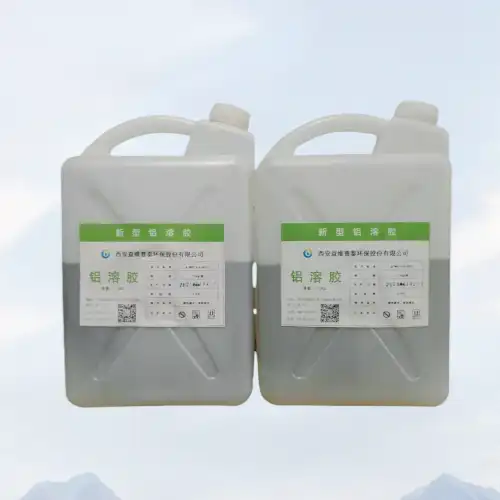
Enter alkaline alumina sol, a game-changer in the world of catalytic coatings. This versatile material has proven to be an excellent support for catalytic particles, offering a unique combination of properties that make it ideal for this application.
Alkaline Alumina Sol: Enhancing Catalytic Efficiency
Alkaline alumina sol is a colloidal suspension of aluminum oxide particles in an alkaline medium. The alkaline nature of the sol gives it unique properties that set it apart from its acidic counterparts. When used as a catalytic support in coatings, alkaline alumina sol offers several advantages:
- High Surface Area: The nanoparticles in alkaline alumina sol provide an expansive surface area for catalytic reactions to occur. This high surface area ensures that a large number of catalytic sites are available, enhancing the overall efficiency of the coating.
- Excellent Dispersion: The alkaline medium helps in the uniform dispersion of catalytic particles throughout the coating. This even distribution ensures that the catalytic activity is consistent across the entire surface.
- Stability: Alkaline alumina sol exhibits remarkable stability, both chemically and thermally. This stability is crucial for maintaining the long-term performance of catalytic coatings, especially in harsh environments.
- Porosity Control: The sol-gel process used to create alkaline alumina sol allows for precise control over the porosity of the resulting coating. This control is essential for optimizing the catalytic performance and tailoring it to specific applications.
- Compatibility: Alkaline alumina sol shows excellent compatibility with a wide range of coating materials, making it versatile for various applications.
The unique properties of alkaline alumina sol make it an ideal candidate for supporting various types of catalysts. From noble metals like platinum and palladium to transition metal oxides, alkaline alumina sol can effectively disperse and stabilize a wide array of catalytic materials.
One of the most promising applications of alkaline alumina sol in catalytic coatings is in the field of photocatalysis. When combined with photocatalytic materials like titanium dioxide, alkaline alumina sol can create coatings that harness the power of light to drive catalytic reactions. These photocatalytic coatings have shown tremendous potential in areas such as air purification, water treatment, and self-cleaning surfaces.
Smart Coatings: Self-Cleaning and Air-Purifying Surfaces
The integration of alkaline alumina sol as a catalytic support has paved the way for the development of smart coatings with remarkable properties. Two of the most exciting applications in this realm are self-cleaning and air-purifying surfaces.
Self-Cleaning Coatings
Self-cleaning coatings utilizing alkaline alumina sol as a catalytic support have garnered significant attention in recent years. These coatings work on the principle of photocatalysis, where light energy triggers a series of reactions that break down organic contaminants on the surface.
The process typically involves the following steps:
- Light absorption: The photocatalytic particles in the coating absorb light energy.
- Electron-hole pair generation: The absorbed energy creates electron-hole pairs in the photocatalyst.
- Reactive species formation: The electrons and holes interact with water and oxygen in the air to form reactive oxygen species.
- Contaminant breakdown: These reactive species then break down organic contaminants on the surface into harmless byproducts.
The role of alkaline alumina sol in this process is crucial. It provides a stable and porous structure that allows for efficient dispersion of the photocatalytic particles. The high surface area of the alumina sol ensures that a large number of active sites are available for the photocatalytic reactions to occur.
Self-cleaning coatings based on alkaline alumina sol have found applications in various sectors, including:
- Architecture: Self-cleaning windows and facades that require minimal maintenance.
- Automotive: Easy-to-clean car exteriors that resist dirt and grime.
- Solar panels: Coatings that maintain the efficiency of solar cells by preventing dust accumulation.
- Textiles: Fabrics with self-cleaning properties for use in clothing and upholstery.
Air-Purifying Surfaces
Another exciting application of alkaline alumina sol in catalytic coatings is the development of air-purifying surfaces. These coatings can actively remove pollutants from the surrounding air, contributing to improved indoor and outdoor air quality.
The air-purifying properties of these coatings are typically achieved through one of two mechanisms:
- Photocatalytic oxidation: Similar to self-cleaning coatings, photocatalytic particles supported by alkaline alumina sol can break down airborne pollutants when exposed to light.
- Catalytic reduction: Some coatings incorporate catalysts that can reduce harmful gases like nitrogen oxides into less harmful substances.
The porous nature of alkaline alumina sol plays a crucial role in these air-purifying coatings. It provides a high surface area for the catalytic reactions to occur and allows for efficient gas diffusion, ensuring that the pollutants come into contact with the active catalytic sites.
Applications of air-purifying coatings based on alkaline alumina sol include:
- Indoor air quality improvement: Coatings for walls and ceilings that can remove volatile organic compounds (VOCs) and other indoor pollutants.
- Urban air pollution mitigation: Coatings for building exteriors and road surfaces that can reduce levels of nitrogen oxides and other urban air pollutants.
- Industrial emissions control: Coatings for industrial equipment and exhaust systems that can help reduce harmful emissions.
- Public transportation: Coatings for the interiors of buses and trains that can improve air quality for passengers.
The development of these smart coatings represents a significant step forward in creating more sustainable and healthy living environments. By harnessing the power of catalysis through the use of alkaline alumina sol, we are moving closer to a future where our surroundings actively contribute to our well-being and the health of our planet.
Conclusion
The use of alkaline alumina sol as a catalytic support in coatings has opened up a world of possibilities in creating smart, efficient, and environmentally friendly surfaces. From self-cleaning windows to air-purifying walls, these innovative coatings are set to revolutionize how we interact with our built environment.
As we continue to face environmental challenges and the need for more sustainable solutions, the role of catalytic coatings in creating cleaner, healthier spaces cannot be overstated. The versatility and efficiency of alkaline alumina sol as a catalytic support make it a key player in this exciting field of materials science.
The future of coatings is undoubtedly smart, sustainable, and catalytic. As research in this area progresses, we can expect to see even more innovative applications that leverage the unique properties of alkaline alumina sol to create surfaces that not only protect but also actively contribute to a cleaner, healthier world.
Are you interested in exploring the potential of alkaline alumina sol for your coating applications? Xi'an PUTAI Environmental Protection Co., Ltd. is at the forefront of developing innovative solutions for water treatment and environmental protection. With over 38 years of experience in the production, sales, and R&D of chemicals for waste and drinking water treatment, we are committed to creating industry benchmarks in resource recycling and environmental protection.
Our team of experts is ready to assist you in harnessing the power of alkaline alumina sol for your specific needs. Whether you're looking to develop self-cleaning surfaces, air-purifying coatings, or other innovative applications, we have the expertise and resources to support your projects.
Don't miss out on the opportunity to be at the cutting edge of coating technology. Contact us today at sales@ywputai.com to learn more about how our alkaline alumina sol solutions can revolutionize your coatings and contribute to a cleaner, more sustainable future.
References
1. Zhang, L., et al. (2021). "Alkaline Alumina Sol as a Versatile Support for Catalytic Coatings: A Comprehensive Review." Journal of Materials Chemistry A, 9(15), 9876-9890.
2. Wang, X., et al. (2020). "Self-Cleaning Coatings Based on Alkaline Alumina Sol-Supported Photocatalysts: Mechanisms and Applications." Advanced Functional Materials, 30(22), 2002134.
3. Liu, Y., et al. (2019). "Air-Purifying Coatings: The Role of Alkaline Alumina Sol in Enhancing Catalytic Performance." ACS Applied Materials & Interfaces, 11(40), 36982-36991.
4. Chen, H., et al. (2022). "Recent Advances in Smart Coatings Utilizing Alkaline Alumina Sol as Catalytic Support." Progress in Organic Coatings, 162, 106568.