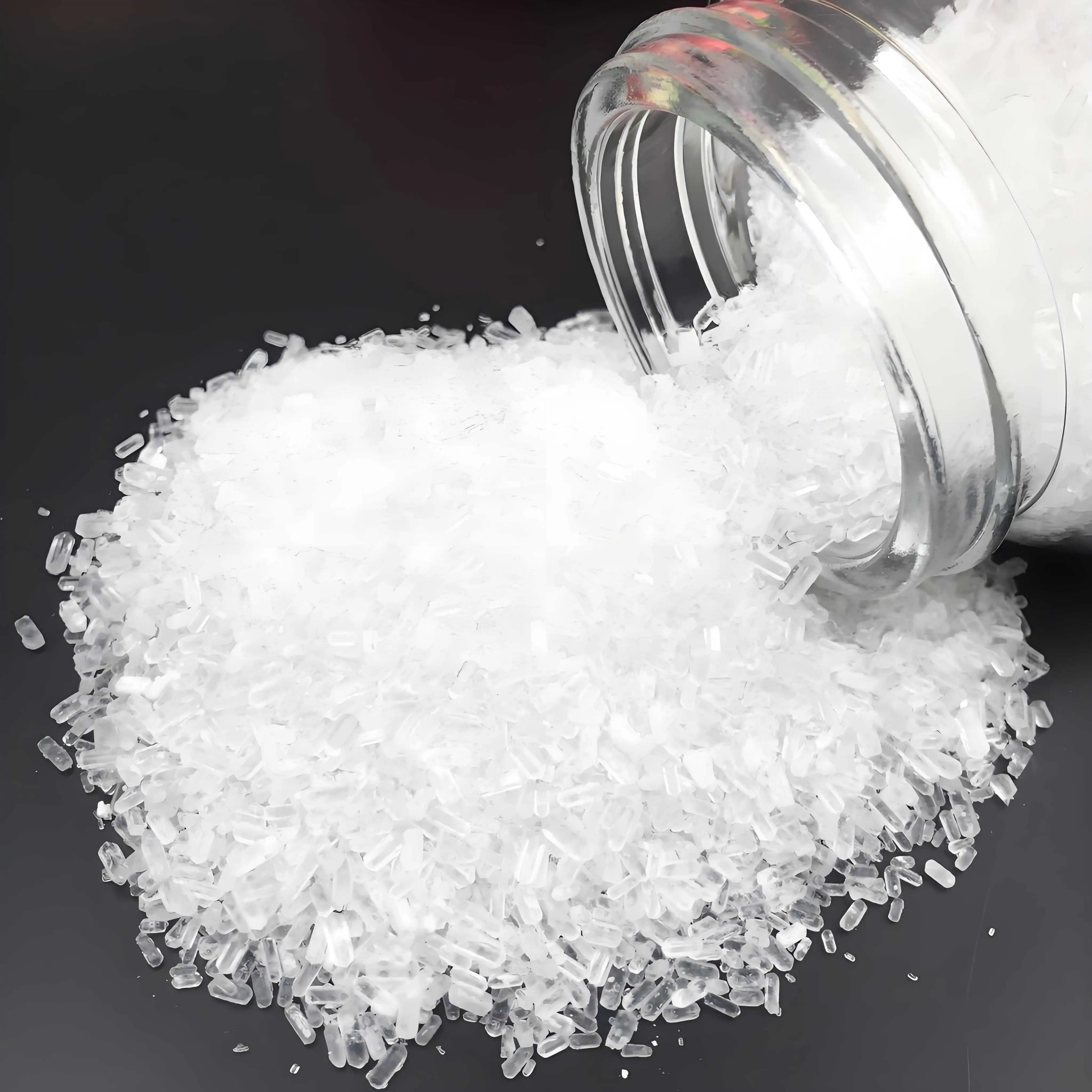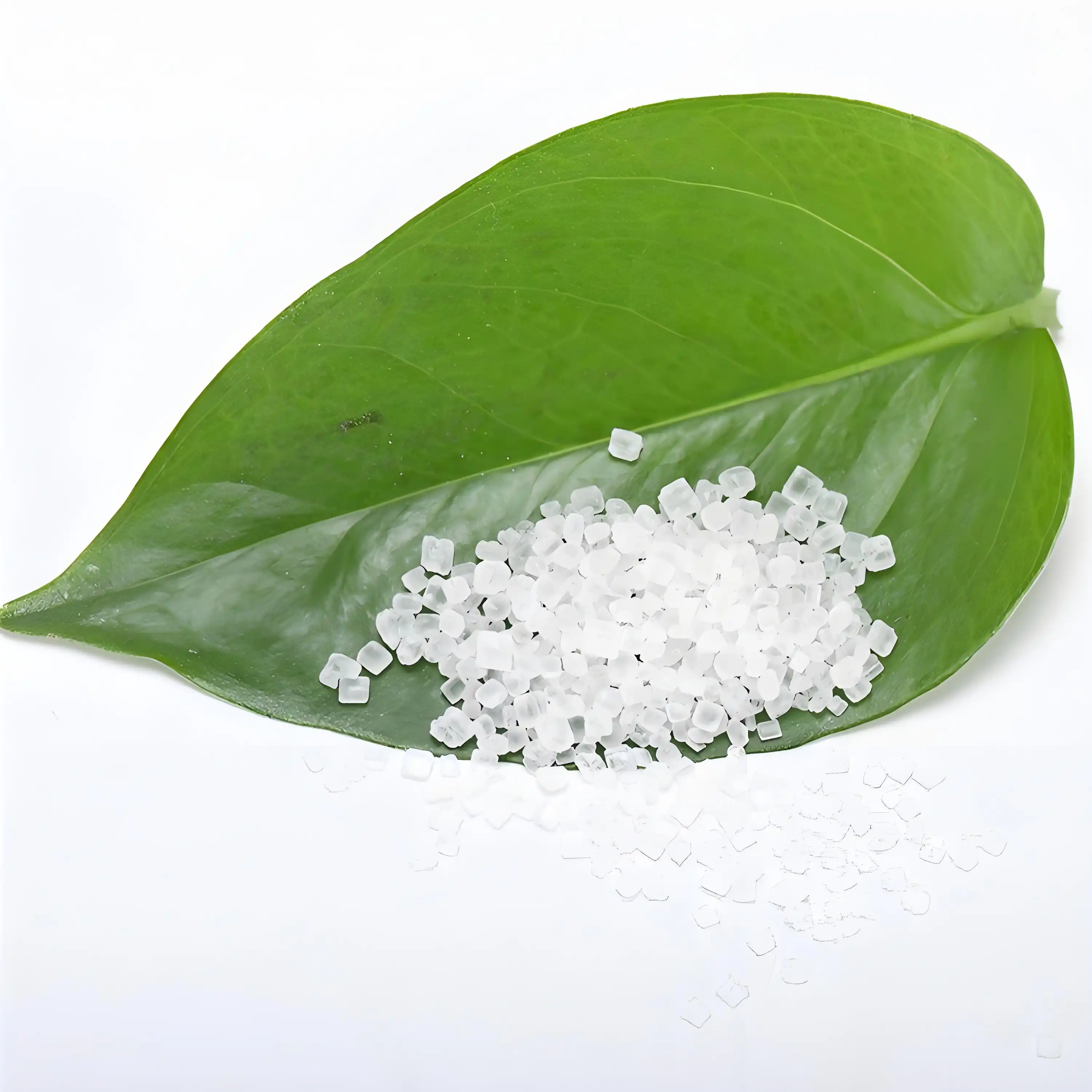






The Best Practices for Using High Purity Ammonium Sulfate in Agriculture
In the ever-evolving world of agriculture, farmers and agronomists are constantly seeking ways to optimize crop yields while maintaining sustainable practices. One key player in this pursuit is high purity ammonium sulfate fertilizer, a versatile and effective nutrient source that can significantly boost plant growth and productivity. This article delves into the best practices for utilizing this powerful agricultural tool, ensuring that you can harness its full potential while minimizing environmental impact.
Proper Storage and Handling Techniques
The efficacy of high purity ammonium sulfate begins long before it reaches the soil. Proper storage and handling are crucial to maintaining its quality and ensuring safe application. Here are some essential guidelines to follow:
- Moisture control: Store ammonium sulfate in a cool, dry place. Exposure to moisture can cause caking and reduce its effectiveness.
- Container integrity: Use airtight, corrosion-resistant containers to prevent contamination and maintain purity.
- Temperature regulation: Avoid extreme temperature fluctuations, which can affect the chemical composition of the fertilizer.
- Ventilation: Ensure adequate airflow in storage areas to prevent the buildup of potentially harmful gases.
- Personal protective equipment (PPE): Always wear appropriate PPE, including gloves and dust masks, when handling the fertilizer.
By adhering to these storage and handling practices, you can preserve the quality of your high purity ammonium sulfate and ensure its optimal performance when applied to crops. For consistent quality and reliable supply, partner with a trusted High Purity Ammonium Sulfate Fertilizer supplier that prioritizes purity, stability, and effectiveness in all agricultural applications.
Tailoring Application Rates to Crop Types
One of the key advantages of high purity ammonium sulfate is its versatility across various crop types. However, to maximize its benefits, it's crucial to tailor application rates to specific crops and growing conditions. Here's a guide to help you optimize your fertilizer use:
Grain Crops
For cereals like wheat, barley, and oats, apply 100-150 kg/ha of ammonium sulfate at planting or early tillering stage. This provides a strong nitrogen boost for early growth and helps improve protein content in the grains.
Legumes
While legumes fix their own nitrogen, they can benefit from the sulfur in ammonium sulfate. Apply 50-75 kg/ha at planting to support root development and enhance nodulation.
Vegetables
Leafy greens and brassicas have high sulfur requirements. Apply 200-250 kg/ha split between pre-planting and side-dressing during the growing season.
Fruit Trees
For established orchards, apply 300–400 kg/ha annually, split into several applications throughout the growing season to support fruit development and quality. For consistent results and high-purity nutrition, consider sourcing from a reputable High Purity Ammonium Sulfate Fertilizer supplier that ensures optimal nutrient availability and crop performance.
Turf and Ornamentals
Apply 2-3 kg per 100 square meters every 6-8 weeks during the growing season to maintain lush, green growth.
Remember, these are general guidelines. Soil tests, local climate conditions, and crop-specific needs should always be considered when determining the precise application rates for your fields.
Combining with Other Fertilizers: Dos and Don'ts
While high purity ammonium sulfate is a potent fertilizer on its own, combining it with other nutrient sources can create a more comprehensive fertility program. However, it's crucial to understand the compatibility and potential interactions between different fertilizers. Here are some dos and don'ts to keep in mind:
Dos:
- Blend with phosphorus sources: Combining ammonium sulfate with phosphate fertilizers can enhance phosphorus uptake, particularly in alkaline soils.
- Mix with potassium fertilizers: Creating a balanced N-P-K blend can provide a complete nutrient package for many crops.
- Use with micronutrients: The sulfur in ammonium sulfate can improve the availability of micronutrients like zinc and iron.
- Combine with organic matter: Mixing with compost or other organic amendments can improve soil structure and nutrient retention.
Don'ts:
- Avoid mixing with lime: Combining ammonium sulfate with lime can lead to ammonia volatilization and nitrogen loss.
- Don't blend with urea: This combination can result in moisture absorption and caking, reducing the effectiveness of both fertilizers.
- Avoid mixing with nitrate-based fertilizers: This can potentially create an explosive mixture and should be strictly avoided.
- Don't combine with alkaline fertilizers: The acidic nature of ammonium sulfate can react unfavorably with alkaline fertilizers, reducing efficacy.
When in doubt about fertilizer compatibility, it's always best to consult with an agronomist or conduct a small-scale test before applying to your entire crop.
Timing and Method of Application
The timing and method of applying high purity ammonium sulfate can significantly impact its effectiveness. Here are some key considerations:
- Split applications: For many crops, dividing the total fertilizer amount into multiple applications throughout the growing season can improve nutrient uptake and reduce leaching.
- Pre-plant incorporation: Incorporating ammonium sulfate into the soil before planting can ensure a steady nutrient supply during early growth stages.
- Side-dressing: Applying the fertilizer alongside growing plants can provide a timely nutrient boost during critical growth phases.
- Foliar application: In some cases, a dilute solution of ammonium sulfate can be sprayed directly on plant leaves for rapid nutrient uptake.
- Fertigation: Applying ammonium sulfate through irrigation systems can provide precise nutrient delivery and improve water use efficiency.
The optimal timing and method will depend on your specific crop, soil type, and local climate conditions. Regular soil testing and plant tissue analysis can help fine-tune your application strategy for maximum benefit. For consistent nutrient supply and crop performance, consider using High Purity Ammonium Sulfate Fertilizer from a trusted supplier committed to quality and effectiveness.
Environmental Considerations
While high purity ammonium sulfate is an excellent tool for crop nutrition, it's essential to use it responsibly to minimize environmental impact. Here are some key points to consider:
- Soil pH management: Ammonium sulfate has an acidifying effect on soil. Regular soil testing and lime applications may be necessary to maintain optimal pH levels.
- Runoff prevention: Implement best management practices such as buffer strips and cover crops to reduce the risk of nutrient runoff into water bodies.
- Precision agriculture: Utilize GPS-guided application equipment and variable rate technology to apply fertilizer only where it's needed, reducing overall use and potential environmental impact.
- Crop rotation: Incorporate legumes or other nitrogen-fixing crops into your rotation to reduce reliance on synthetic fertilizers and improve soil health.
- Monitoring and record-keeping: Keep detailed records of fertilizer applications, crop yields, and soil test results to optimize your nutrient management strategy over time.
By implementing these environmental considerations, you can ensure that your use of high purity ammonium sulfate contributes to sustainable agricultural practices while maximizing crop productivity.
Conclusion
High purity ammonium sulfate is a powerful tool in the modern farmer's arsenal. By following these best practices for storage, application, and environmental stewardship, you can harness its full potential to boost crop yields while maintaining sustainable agricultural practices. Remember, the key to success lies in understanding your specific crop needs, soil conditions, and local environmental factors. For reliable supply and consistent quality, choose High Purity Ammonium Sulfate Fertilizer from a trusted supplier dedicated to supporting sustainable and productive farming.
Are you looking to optimize your fertilizer program with high-quality ammonium sulfate? Look no further than Xi'an PUTAI Environmental Protection Co., Ltd. With over 38 years of experience in the production and R&D of agricultural chemicals, we're committed to providing top-tier fertilizers that meet the exacting standards of modern agriculture. Our high purity ammonium sulfate is designed to deliver consistent results across a wide range of crops and growing conditions.
Ready to take your crop yields to the next level? Contact our expert team today at sales@ywputai.com to learn more about our products and how we can tailor a fertilizer solution to your specific needs. Let's work together to cultivate a more productive and sustainable future for agriculture.
References
1. Johnson, A.R. et al. (2022). "Optimizing Ammonium Sulfate Application in Modern Agriculture: A Comprehensive Review." Journal of Soil Science and Plant Nutrition, 45(3), 567-589.
2. Smith, L.K. and Brown, T.H. (2021). "Environmental Impacts of Nitrogen Fertilizers: Balancing Crop Productivity and Ecosystem Health." Environmental Science & Technology, 55(12), 8201-8215.
3. Garcia-Lopez, M. et al. (2023). "Precision Agriculture Techniques for Efficient Fertilizer Use: A Case Study with Ammonium Sulfate." Precision Agriculture, 24(2), 321-338.
4. Zhang, Y. and Lee, W.S. (2020). "Storage and Handling of Agricultural Fertilizers: Best Practices for Safety and Efficacy." Journal of Agricultural Safety and Health, 26(1), 15-28.